
Portugal is the size of Indiana. You can drive from the wool mills of the Serra da Estrela to the tile factories of Lisbon to the potteries of the Alentejo in an afternoon each. Almost nobody does, because the guidebooks send you to the same three cities and the beach. This is Portugal for makers: region by region, what is still made there by hand, where you can watch it being made, and how to build a trip around it whether you have a long weekend or two weeks.
Key takeaways
- Portugal kept its crafts as working trades longer than most of Western Europe. Wool, tiles, pottery, embroidery, filigree, cork and rugs are still made commercially in the towns they came from.
- Fly into Lisbon or Porto, six and a half to seven hours from the East Coast. Take the train between cities. Rent a car for the interior.
- April to June and September to October are the months. The interior is hard in July and August.
- Every venue below was checked in September 2026, including one national museum that is currently closed.
Lisbon and the center, tiles and wool
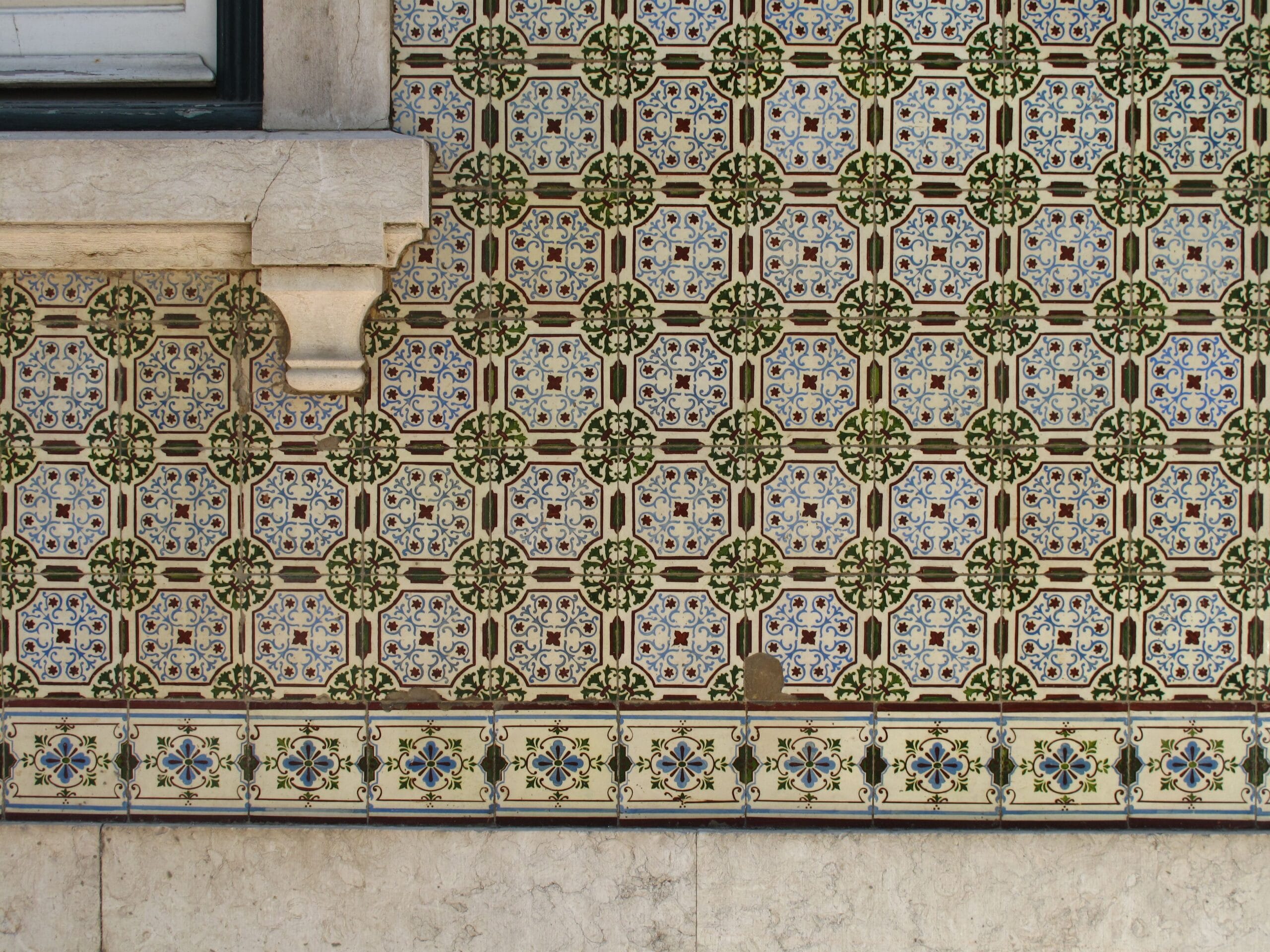
Start with the tiles, because they are on every wall. Azulejos have covered Portuguese buildings since the sixteenth century, and the factories that make them are still in business.
Fábrica Sant’Anna dates to 1741 and runs guided factory visits and private tile-painting sessions in Lisbon by appointment. Viúva Lamego has been going since 1849; the shop is on the Largo do Intendente, the factory out in Sintra. Then there is Cortiço and Netos on Rua Maria Andrade, which sells the last stock of discontinued industrial tile lines. Walking in is like walking into a century of Portuguese kitchens.
Want to paint one yourself? Cerâmica São Vicente in Alfama runs tile-decorating workshops of two hours and of three and a half.
One warning. The Museu Nacional do Azulejo, the national tile museum, closed for renovation on 1 November 2025 with no reopening date announced. Check before you build a day around it.
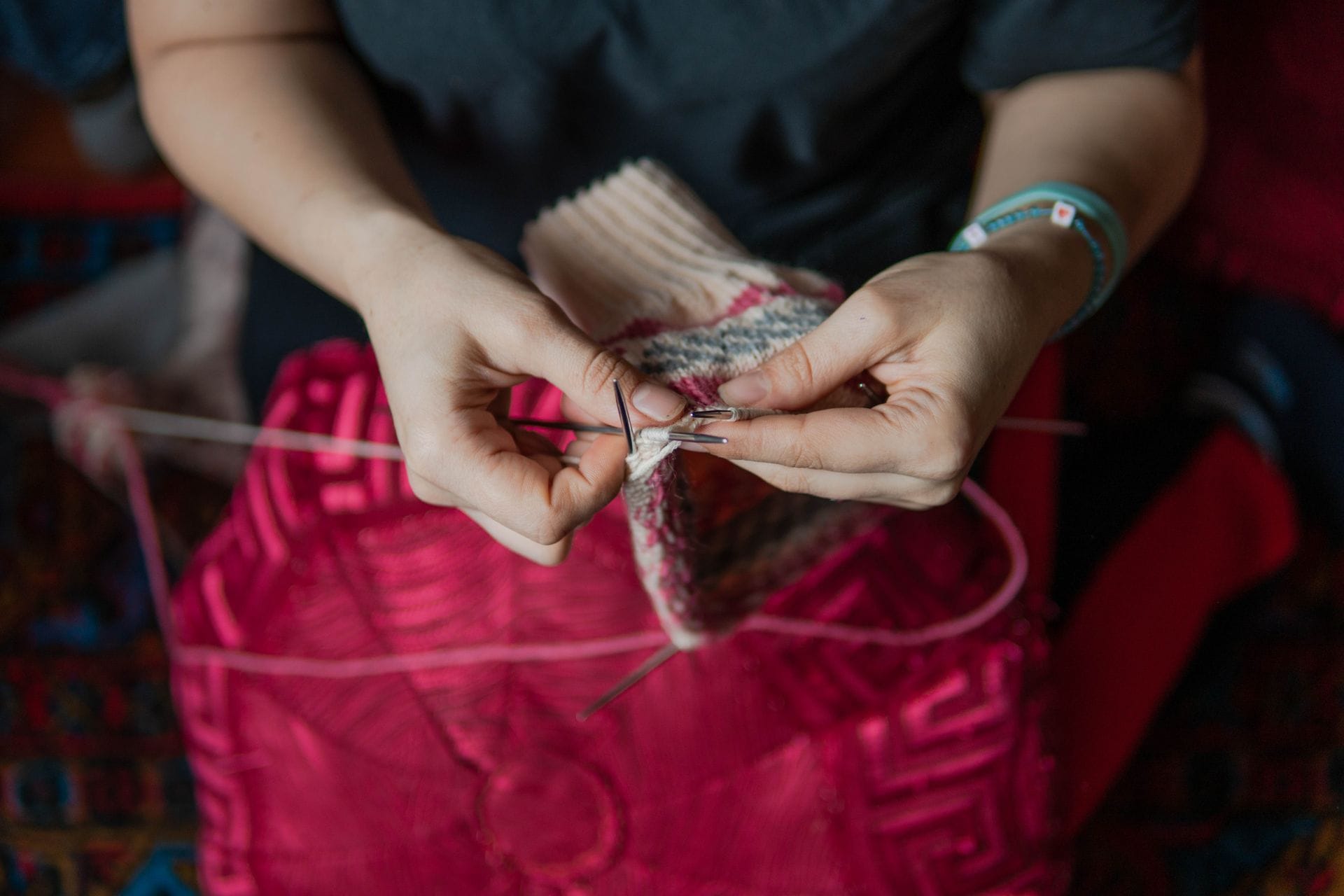
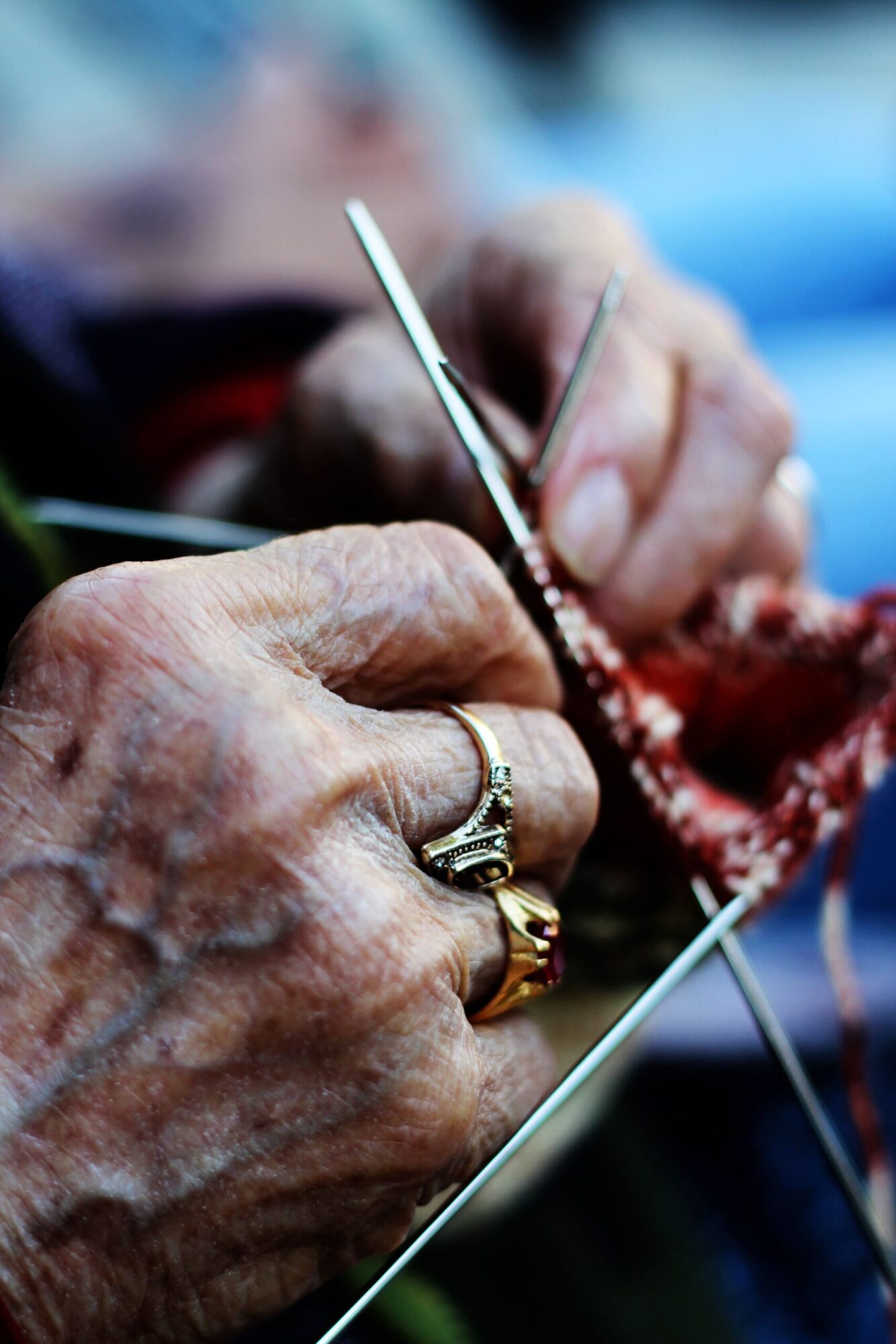
A few doors from Cortiço and Netos is Retrosaria Rosa Pomar, at Rua Maria Andrade 50A. This is the shop that single-handedly turned Portuguese native wool into yarn. Tuesday to Saturday, ten to seven. We wrote a whole piece on Portuguese wool and this shop, so here it is enough to say: go, and bring an empty bag.
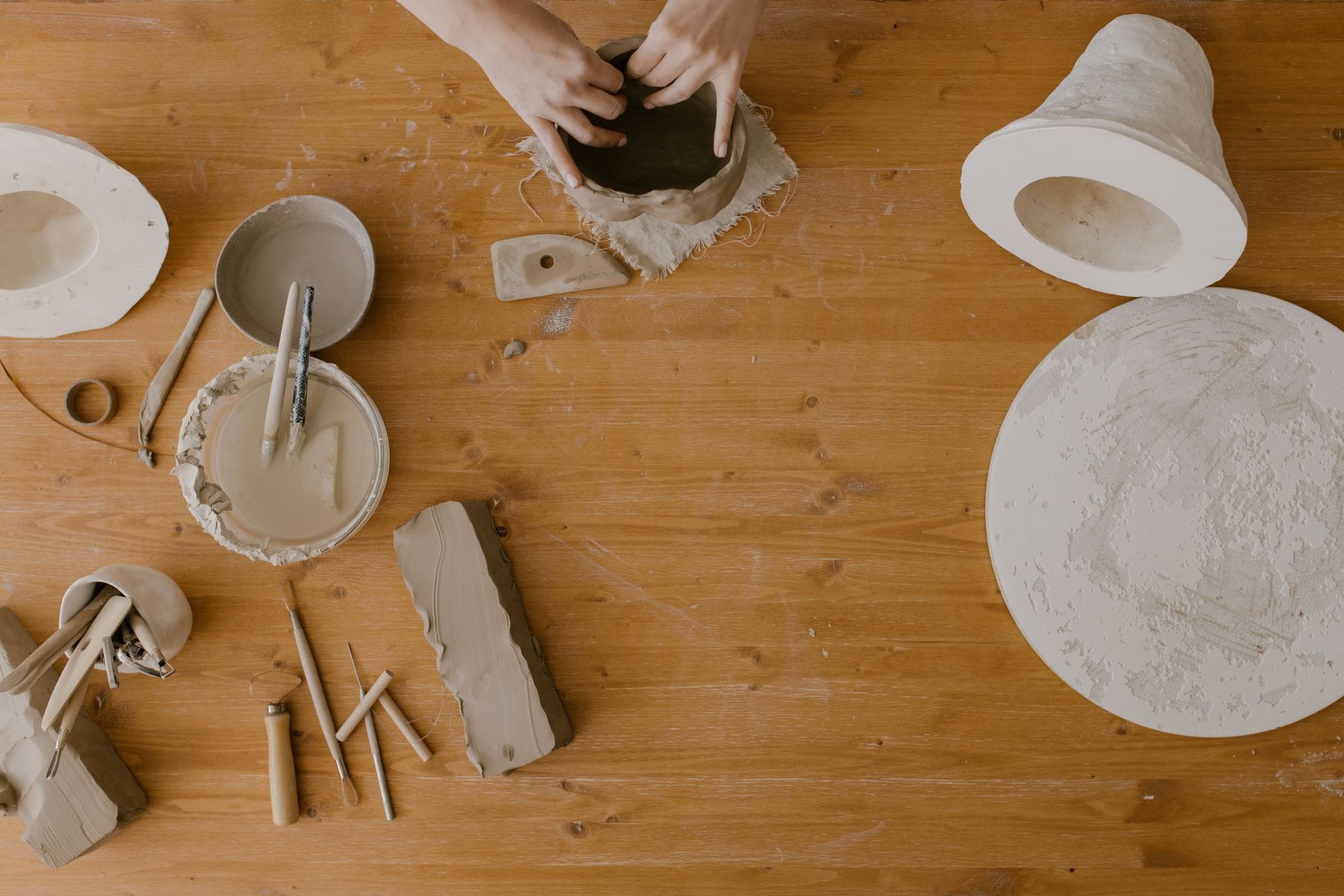
An hour north is Caldas da Rainha, the ceramics town. Bordallo Pinheiro is the factory behind the cabbage-leaf plates and the swallows on half the walls in Lisbon, and its shop is on the ground floor of the old works on Rua Rafael Bordallo Pinheiro. Ericeira sits on the coast between the two. Gaëlle Ceramica runs residential clay weeks there through 2027.
Serra da Estrela and Beira, burel and silk

Three hours east of Lisbon the mountains turn into wool country. Manteigas has two working burel factories, and both take visitors. Burel is the fulled wool cloth that shepherds wore as capes.
Ecolã has been in the Clara family since 1925. Visits weekdays nine to four thirty, plus Saturday mornings. Burel Factory, in the old Lanifícios Império, runs guided tours Monday to Saturday at eleven and four for EUR 5, booking required.
Covilhã is down the mountain. The university’s Museu de Lanifícios occupies the royal cloth factory of 1764 with its dye works intact, Tuesday to Saturday. Sheep on the hill, fleece, loom, finished cloth: the whole chain sits in one valley. Very few places in Europe still hold all four.
South of the mountains, Castelo Branco is the home of the colcha. That is the silk-on-linen embroidered bedspread, one of the great Portuguese textile traditions. The Museu Francisco Tavares Proença Júnior holds the collection and runs an embroidery workshop on site, where you can watch the embroiderers work. Ten to seven in summer, ten to six in winter, closed Mondays.
You will need a car for all of this, since Manteigas has no railway, and in any case the roads over the Serra are half the reason to go.
Porto and the Minho, linen, gold and black clay
Porto is worth a day for the yarn alone. Ovelha Negra on Rua da Conceição runs knitting workshops, Lopo Xavier has been selling wool since 1934, and both Ecolã and Burel Factory keep shops in the city.
For tiles, Gazete Azulejos and Domus Arte run two-hour painting workshops. And twenty minutes south, in Santa Maria de Lamas, there is the Cork Museum, founded by Henrique Amorim of the cork family. A visit-plus-workshop ticket costs EUR 4. Cheapest craft education in the country.
North of Porto the Minho is the most craft-dense region in Portugal.
Barcelos holds its market every Thursday, the same market since a royal charter of 1412. Pottery, the painted rooster figures, baskets, ironwork, wooden toys. The Museu de Olaria in town explains the pottery for EUR 2.20.
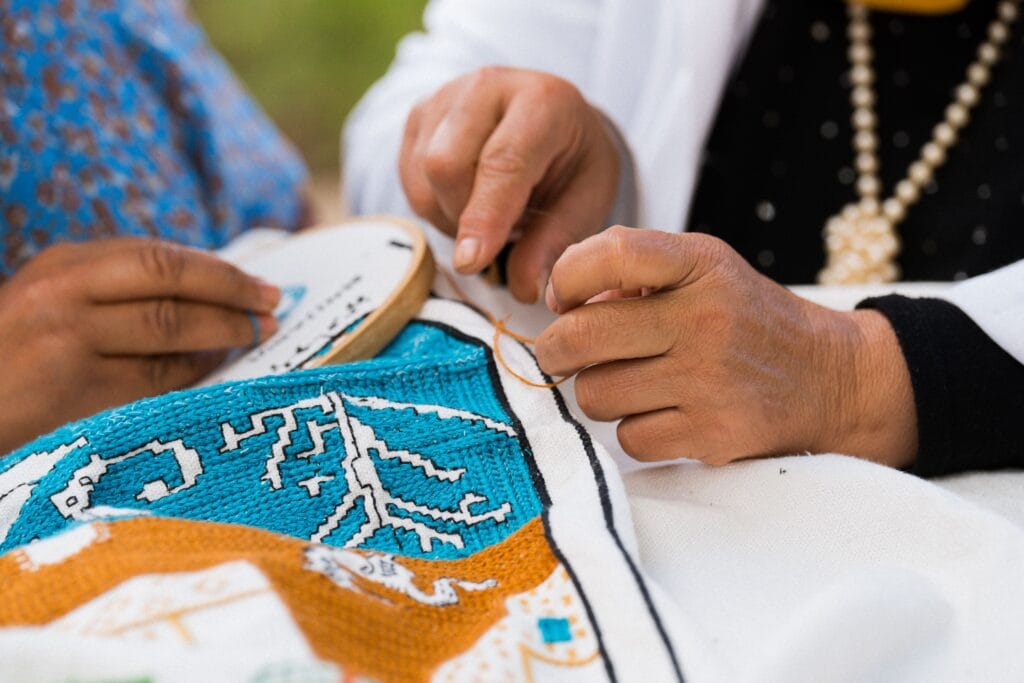
Viana do Castelo gave its name to the Viana embroidery, red-and-blue hearts and flowers on white linen. The Museu do Traje on the main square holds the costumes it was made for. Guimarães has its own linen and embroidery tradition.
Gold next. In Gondomar and Póvoa de Lanhoso the filigree workshops still twist gold and silver wire into those same Viana hearts. Gondomar’s Filigree Museum is open daily nine to six and hands you a route to the workshops.
Up at Vila Real, the black pottery of Bisalhães is fired in pits. UNESCO listed it in 2016 as in need of urgent safeguarding. The Museu da Vila Velha shows it.
The train reaches all of this: Porto to Guimarães in an hour, to Braga in an hour, to Viana in an hour and a half. Barcelos is on the Viana line.
The difference between a demonstration and a workshop is whether the person at the bench would be there if you were not.
The Alentejo, rugs, clay and cork
South of the Tagus the country opens into cork oak, wheat and long horizons. The crafts are spread thin across big distances.
Arraiolos, forty minutes from Évora, is the rug town. The wool-embroidered Arraiolos carpet has been made here since at least the seventeenth century. The interpretive center explains the stitch for EUR 1, or EUR 4 with a guide, Tuesday to Sunday.
Estremoz makes painted clay figures: saints, farm workers, nativity scenes. UNESCO listed them in 2017. The center in the Marquês de Praia palace is open daily except Monday.
São Pedro do Corval, near Reguengos de Monsaraz, is the biggest pottery village in the country, with more than a dozen working potteries. And in Reguengos itself, Fábrica Alentejana de Lanifícios weaves the striped wool blankets of the Alentejo on old looms. Weekdays ten to four thirty, with a shop up in Monsaraz.
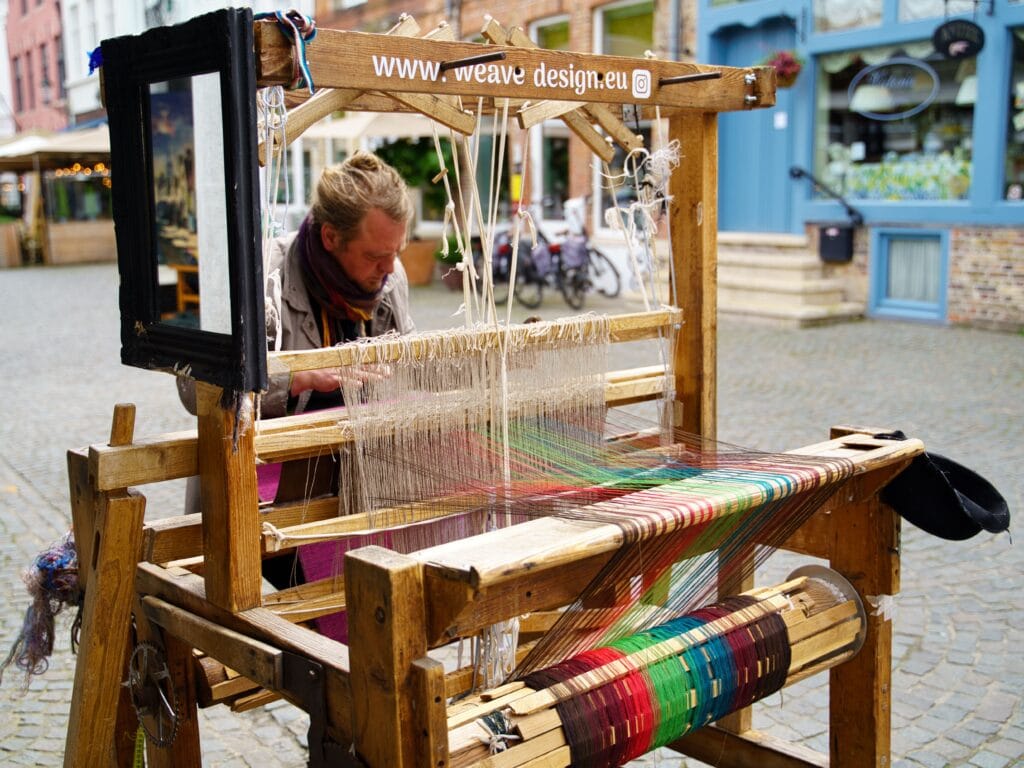
Two smaller traditions at the region’s edges are worth the drive. Nisa makes pottery inlaid with chips of white quartz; its Museu do Bordado e do Barro is free. Mértola sits on the Guadiana near the Spanish border, and inside the town museum there is a weaving workshop where two weavers work the looms and a third cards and spins. Tuesday to Sunday. You can watch, and you can buy.
In Coruche, the Cork Oak Observatory explains the tree that produces half the world’s cork.
Évora is the base, an hour and forty minutes from Lisbon by train. Everything else needs a car, and distances are longer than they look on the map.
The Algarve, the two coasts
Loulé, inland from Faro, has quietly become the craft town of the south. Loulé Criativo is a municipal network of open workshops: palm weaving, copper and brass, clay, hand-loom textiles, esparto grass, a watchmaker, a luthier. Courses on request. The Saturday market fills the streets around the covered market.
Porches, on the road west, has been a pottery since 1968. Open year round, with painters at work most days.
Then the coast turns the corner at Sagres and everything changes. From Vila do Bispo up to Odeceixe the west coast is a natural park: fishing villages, cliffs, almost nothing built. Carrapateira, where our knitting retreat runs, is in the middle of it. We wrote a separate guide to that coast, with where to eat and how to get there.
When to go, by craft and by weather
Late March to June, then September to early November. The interior, the Alentejo especially, runs into the mid-thirties Celsius in July and August, and the workshops keep short hours. Spring gives you the dunes in flower on the west coast and green hills in the Minho. Fall gives you the harvest, a warm sea and thinner crowds.
A few fixed dates. Barcelos market is every Thursday. Aljezur’s sweet potato festival is at the end of November. The pottery fair at São Pedro do Corval ran in 2025 and usually recurs; check the Reguengos council site for the 2027 date.
Our own retreats fall inside the good windows on purpose. The poetry retreat in the Douro at the end of March. The knitting weeks in Carrapateira in late May and early June. The ceramics retreat in the second half of 2027.
Getting there and getting around
TAP flies nonstop to Lisbon from New York, Newark, Boston, Miami, Washington, Chicago, Los Angeles and San Francisco. Orlando joins in October 2026. United flies from Newark to Lisbon, Porto, Faro in summer and the Azores. Delta flies New York to Lisbon, and since May 2026 New York to Porto. American flies Philadelphia to Lisbon.
Expect six and a half to seven hours from the East Coast. Around eleven from California. Kayak’s twelve-month average for a US-to-Portugal round trip is about USD 760, with February the cheapest month.
Between Lisbon and Porto, take the train. The Alfa Pendular does it in under three hours for EUR 35.70 at full fare, considerably less booked in advance. Lisbon to Faro is about three and a half hours on the Intercidades. The Minho towns are all on lines out of Porto, and Évora is on a line from Lisbon.
Everything else is a car: the Serra, the Alentejo interior, the west coast. Rent it at the airport, not in the city center. Take the smaller road when the map offers one.
Where to stay near the makers
The rule that has served us best is to stay in the town where the thing is made rather than in the nearest city with a hotel chain, which in practice means Manteigas over Guarda, Arraiolos or Monsaraz over a highway hotel outside Évora, Viana or Barcelos over a Porto business district, and Carrapateira over Lagos.
Rural guesthouses in Portugal are good value, and often run by someone who knows the potter personally. In Carrapateira we use Hortas do Rio, seven rooms on an old family farm between the village and the beach. Outside retreat weeks it takes ordinary bookings.
Eating well outside the tourist strip
Portuguese cooking is regional to a degree that surprises Americans, and most of it does not travel. The mountain cheese of the Serra, set with cardoon thistle rather than rennet, is a different food in Manteigas than in a Lisbon supermarket.
Each region feeds you differently. In the Alentejo it is bread soups, black pork and lamb; in the Minho, caldo verde, river fish and vinho verde; and on the west coast, percebes and grilled bream.
Eat where the tables are full at one in the afternoon, order whatever the region is known for, and expect lunch to take two hours. That last part is not inefficiency, it is the country working as designed.
Two itineraries, a long weekend and two weeks
Long weekend, Lisbon and wool
Fly into Lisbon Thursday. Friday morning at Retrosaria Rosa Pomar and Cortiço and Netos, five minutes apart on the same street, then a tile workshop in Alfama in the afternoon. Saturday, the train to Caldas da Rainha for Bordallo Pinheiro, back for dinner. Sunday, either a day trip to Ericeira or a morning at Fábrica Sant’Anna, booked ahead. Fly home Monday with too much yarn.
Two weeks, north to south
Fly into Porto. Days one to four in the Minho by train: Barcelos on a Thursday for the market, Viana for the embroidery museum, Guimarães, Gondomar for the filigree route, a day in Porto for the yarn shops and the cork museum. Days five to seven, rent a car and drive east to Vila Real for the black pottery, then south through the Douro to Manteigas for two nights, the two burel factories and a morning in Covilhã at the dye works.
Day eight, Castelo Branco for the silk embroidery, then south to Évora. Days nine to eleven in the Alentejo: Arraiolos, Estremoz, São Pedro do Corval and the blanket factory in Reguengos, Monsaraz for the night. Day twelve, south to Mértola for the weavers, then west across the Alentejo to Carrapateira for the last two nights: the beach, the cliff path, a dinner of percebes. Day fourteen, three hours to Lisbon airport. Or a night in Lisbon first, for Retrosaria.
It is a real itinerary, and in the middle it is also roughly what a week with us looks like, minus the driving. If you would rather someone else held the map, our 2027 retreats put you in one house with one teacher and one craft, with every meal included and no rental car to think about. For what a week like that costs against a craft weekend at home, we did the math in Craft Retreats in Europe 2027.